
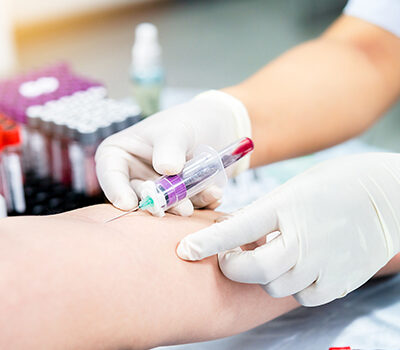

Laboratory services are a critical component of home health care. Home health nurses often monitor chronic conditions, identify subtle changes in patient status, coordinate care with providers, and ensure laboratory tests are completed accurately and on time. Because many home health patients are older adults with multiple comorbidities, laboratory values frequently guide treatment decisions, medication adjustments, and interventions that can prevent avoidable hospitalizations.
In the home health setting, nurses must understand not only why laboratory tests are ordered, but also how to prepare patients for testing, recognize abnormal findings, and communicate important clinical observations to providers. An in-depth understanding of laboratory services helps nurses offer safer, more effective care while improving patient outcomes.
Importance of Laboratory Services in Home Health
Laboratory services support nearly every aspect of patient care in home health. Physicians and advanced practice providers rely on laboratory data to diagnose conditions, monitor disease progression, evaluate treatment effectiveness, and identify complications early on before they worsen.
For home health nurses, laboratory testing is especially pertinent because many patients have chronic conditions such as diabetes, heart failure, kidney disease, thyroid disorders, persistent infections, or anticoagulation needs. They often experience frequent medication changes and require ongoing monitoring.
These are the most common laboratory-related services in home health:
- Blood specimen collection
- Urine specimen collection
- Coordination with outside laboratory providers
- Point-of-care testing
- Monitoring trends in laboratory values
- Educating patients about testing requirements
- Reporting abnormal findings to providers
- Tracking medication side effects
Because home health nurses spend significant time assessing patients in their living environments, they are uniquely positioned to recognize clinical changes that may correlate with abnormal laboratory results.
Preparing Patients for Laboratory Testing
Proper patient preparation is essential for obtaining accurate laboratory results. Nurses should verify provider orders carefully and ensure patients understand all instructions before testing.
A key consideration is determining whether the patient must fast before testing. Some metabolic and lipid tests may require fasting depending on what the provider is measuring. The nurse must confirm the specific instructions with the ordering provider or laboratory.
Patient education should include these considerations:
- Whether fasting is required
- When medications should be taken
- Hydration recommendations
- Timing of specimen collection
- Proper urine collection technique if applicable
- Signs and symptoms to report
Nurses must also evaluate for factors that could interfere with laboratory accuracy and alert their provider. Medication use, dehydration, infection, recent illness, or missed medication doses may significantly impact results.
Commonly Ordered Laboratory Tests
The Basic Metabolic Panel and Comprehensive Metabolic Panel
The basic metabolic panel (BMP) and comprehensive metabolic panel (CMP) are among the most commonly ordered laboratory tests in home health.
The BMP measures glucose, sodium, potassium, calcium, blood urea nitrogen (BUN), creatinine, and the glomerular filtration rate (GFR). The CMP contains all BMP components plus liver function indicators and protein measurements.
Tests are frequently ordered to monitor these conditions:
- Diabetes
- Kidney disease
- Dehydration
- Infection
- Nutritional deficiencies
- Medication effects
- Electrolyte imbalances
Home health nurses should carefully monitor patients for symptoms that may correlate with abnormal metabolic findings. Some critical findings to report before testing include the following:
- Signs of dehydration
- Abnormal urine color
- Abnormal vital signs
- Chest pain
- Poor fluid intake or dehydration concerns
- Signs of infection
- Abnormal blood glucose readings
Nurses should also recognize how medications may affect results. Diuretics can alter sodium and potassium levels. Hypoglycemic medications may affect glucose measurements.
For example, a patient with heart failure taking loop diuretics may develop low potassium levels, increasing the risk of cardiac arrhythmias. Early identification of weakness, dizziness, or an irregular heart rate can help prevent serious complications.
Complete Blood Count and Infection Monitoring
The complete blood count (CBC) and CBC with differential are tools that evaluate infection, anemia, clotting disorders, and immune system function.
The CBC measures red blood cells, white blood cells, hemoglobin, hematocrit, and platelets. The CBC with differential provides additional information about specific white blood cell types, including neutrophils and lymphocytes.
Nurses should monitor for symptoms like these:
- Fatigue
- Weakness
- Fever
- Increased bleeding
- Bruising
- Signs of infection
- Changes in vital signs
Patients receiving anticoagulants, chemotherapy, or immunosuppressive medications may need especially close monitoring.
In older adults, infection symptoms are often subtle. A patient may not develop a fever but instead present with confusion, weakness, reduced appetite, or functional decline. Nurses should communicate these findings with the provider promptly because they may correlate with abnormal white blood cell counts.
Anemia is another common issue in home health populations. Low hemoglobin levels may contribute to fatigue, shortness of breath, dizziness, and increased fall risk.
Urinalysis and Culture Testing
Urinary tract infections are frequent among home health patients, particularly older adults and individuals with catheters, diabetes, or limited mobility.
Urinalysis evaluates urine characteristics such as color, clarity, glucose, blood, protein, nitrites, bacteria, and white blood cells. Culture and sensitivity testing identifies the specific organism causing infection and determines which antibiotics would be most effective.
These are some symptoms that indicate a problem:
- Burning with urination
- Hesitancy
- Incontinence
- Fever
- Foul-smelling urine
- Changes in cognition
- Increased falls
- Changes in urine color
Rather than classic urinary symptoms, older adults may present with confusion or weakness that may lead to falls or other issues. These changes should be reported to the provider before obtaining urine testing.
Proper specimen collection avoids contamination. Nurses should teach clean-catch techniques whenever possible and follow agency procedures carefully.
Hemoglobin A1c and Diabetes Monitoring
Diabetes management is a major component of home health nursing care. Hemoglobin A1c (HgbA1c) testing measures average blood glucose levels over approximately three months. The results help providers evaluate overall diabetes control and determine whether treatment adjustments are needed.
Nurses caring for diabetic patients should assess these factors:
- Medication adherence
- Oral intake
- Blood glucose trends
- Vision changes
- Nausea or vomiting
- Neuropathy symptoms
- Wound healing
Home health nurses also play a critical role in identifying barriers to diabetic management, such as financial limitations, cognitive impairment, food insecurity, or medication confusion.
Anticoagulation, Anticonvulsants, and Medication Monitoring
Many home health patients receive medications that require laboratory monitoring. Prothrombin time (PT), international normalized ratio (INR), and partial thromboplastin time (PTT) help determine blood clotting effectiveness and whether anticoagulant therapy is therapeutic.
These are the chief assessments:
- Increased bruising
- Bleeding gums
- Blood in urine or stool
- Falls
- Medication changes
- Missed doses
Patients taking warfarin need careful education regarding diet, medication interactions, and bleeding precautions.
Similarly, antiseizure medications such as phenytoin (Dilantin) and valproic acid require laboratory monitoring to ensure therapeutic medication levels. Nurses should report seizure activity, missed doses, or changes in neurological status.
Thyroid and Lipid Monitoring
Thyroid disorders and lipid abnormalities are common in older adults.
Thyroid panels evaluate thyroid hormone levels and help determine whether thyroid medication dosing is appropriate. Nurses should monitor for fatigue, weight changes, mood changes, muscle weakness, hair loss, and heart palpitations.
Lipid panels assess cholesterol levels and cardiovascular risk. According to the Laboratory Test Tool, lipid testing generally requires fasting. Nurses should assess areas such as cardiac symptoms, dietary habits, smoking status, and blood pressure trends.
Communication and Care Coordination
One of the most crucial responsibilities of home health nurses is effective communication with providers, laboratories, caregivers, and interdisciplinary team members.
Nurses should promptly report these issues:
- Critical laboratory values
- Significant symptom changes
- Medication concerns
- Specimen collection problems
- Missed laboratory appointments
- Worsening clinical conditions
Documentation must include the following:
- Patient education provided
- Specimen collection details
- Assessment findings
- Provider notifications
- Follow-up actions
- Patient response to interventions
Timely communication can prevent complications and reduce unnecessary emergency department visits and hospitalizations.
Using Laboratory Trends to Improve Outcomes
Laboratory interpretation is not limited to reviewing isolated values. Home health nurses should look for trends over time.
Here are some common examples:
- Gradually increasing creatinine levels indicating worsening kidney function
- Declining hemoglobin suggesting progressive anemia
- Rising HbA1c levels indicating poor diabetic control
- Increasing white blood cell counts suggesting infection
- Elevated INR levels increasing bleeding risk
Recognizing these patterns allows nurses to intervene earlier and advocate for appropriate changes in the care plan.
Conclusion
Laboratory services are a vital component of safe, effective home health care. Home health nurses must understand common laboratory tests, proper patient preparation, specimen collection considerations, medication interactions, and assessment findings that should be communicated to providers.
The home health nurse’s role extends far beyond obtaining specimens. Effective nurses monitor patients holistically, recognizing subtle clinical changes, educating patients and caregivers, coordinating care, and responding appropriately to abnormal findings.
The AAPACN Home Health Laboratory Test Tool offers a valuable quick-reference resource to help nurses better understand commonly ordered laboratory tests, reasons for testing, fasting requirements, and key clinical observations to report before testing. By combining strong assessment skills with a clear understanding of laboratory monitoring, home health nurses can identify complications earlier, support timely interventions, and help patients remain safely at home.
This AAPACN resource is copyright protected. AAPACN individual members may download or print one copy for use within their facility only. AAPACN facility organizational members have unlimited use only within facilities included in their organizational membership. Violation of AAPACN copyright may result in membership termination and loss of all AAPACN certification credentials. Learn more.